
Your visa end date is getting closer, you live in Washington, DC, and you are trying to decide how early you really need to start the renewal process. You may be juggling a demanding job on K Street, a fellowship at a DC university, or a role at an embassy or international organization. At the same time, you might have travel booked to see family or attend a conference abroad, and you do not want a paperwork mistake to derail any of it.
For DC residents, visa renewal and status extensions come with extra moving parts. You are close to federal agencies, employers expect you to travel, and processing trends can change quickly. Many people assume renewal is a simple repeat of the first approval, only to discover that timelines, documentation, and even interview expectations have shifted since their last application. Our goal here is to lay out what actually happens, when you should act, and how living in Washington, DC changes your planning.
At Patel Law Group, we have spent more than twenty years guiding DC professionals, students, and families through visa applications, renewals, and hearings. Our membership in the American Immigration Lawyers Association (AILA) and the Federal Bar Association keeps us close to policy and practice changes that affect DC residents in particular. In this guide, we share the same process, timing, and risk insights we use every day, so you can make informed decisions about your next renewal in Washington, DC.
Why Visa Renewal Works Differently for Washington, DC Residents
Living in Washington, DC creates a specific mix of immigration realities that you will not always see addressed in generic visa articles. Many of our clients work for federal contractors, embassies, international organizations, and policy institutions, or they are enrolled at DC-area universities. These roles often involve frequent travel, strict start dates, or security reviews, which all affect how we plan renewals and status extensions.
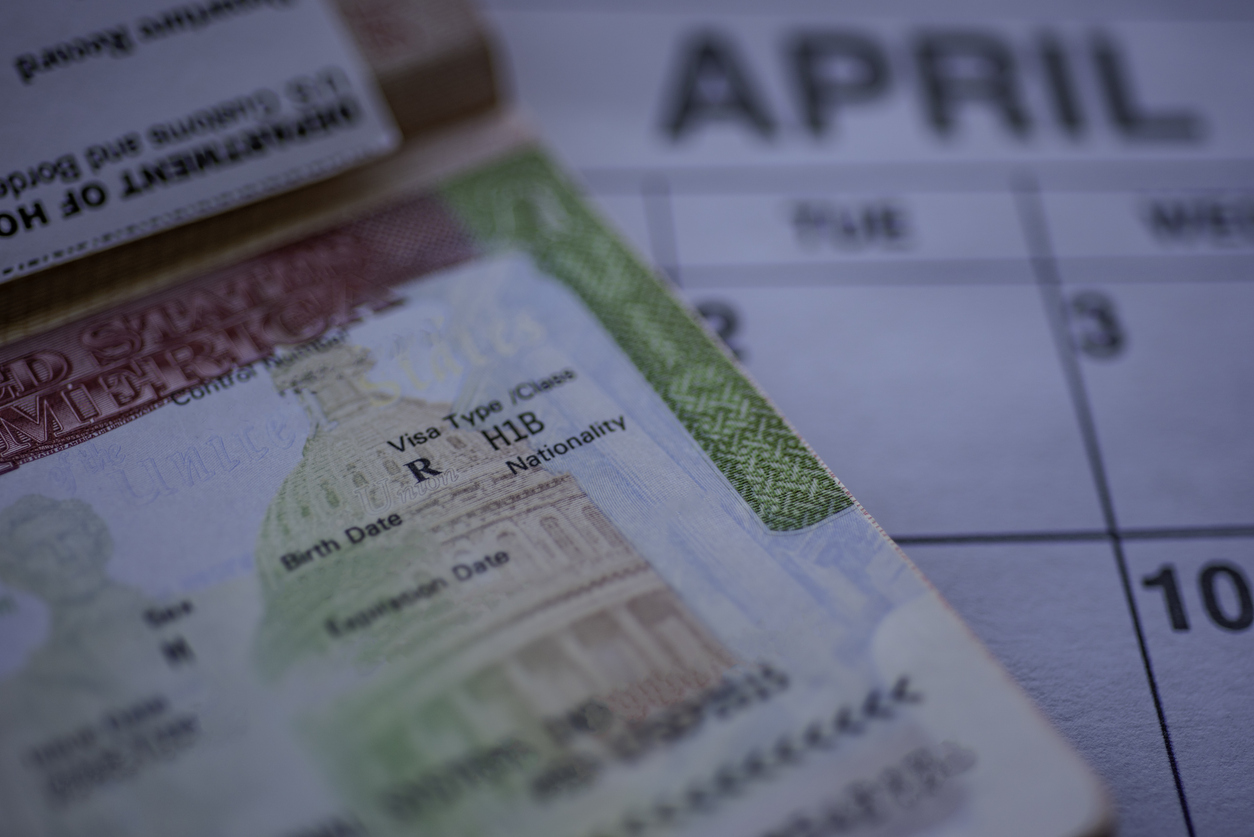
First, we need to separate two ideas that often get blurred together. The visa stamp in your passport is the sticker that lets you request entry at a US port of entry, usually after a consular interview abroad. Your immigration status inside the United States is the period of authorized stay that appears on your I‑94 record or USCIS approval notice. You can be in valid status in DC with an expired visa stamp, and you can also have a valid visa stamp but fall out of status if you violate conditions. DC residents often realize this difference only when they are booking flights and discover that a consular visit is required even though they can keep living and working here.
Second, your DC address usually determines which USCIS service centers handle your mailed or online filings, and which local office handles in-person work. Service centers are the facilities that receive and adjudicate most extension and change of status applications. The Washington, DC field office mainly comes into play if USCIS schedules you for an interview or certain in-person appointments. Being a Metro ride away does not mean your file sits in DC, and for most renewals, you will not be able to speed things up by walking into a local office.
Finally, many people assume that because federal agencies are down the street, DC cases will move faster. In practice, that is not how the system works. Cases from Washington, DC feed into the same national queues as cases from other parts of the country, and DC employers and institutions can have more complex structures and documentation. Our long-term practice in DC has shown us that what matters more than geography is how clear, complete, and well-timed the filing is. We design renewal strategies for DC clients around that reality, not around wishful thinking about location.
When Washington, DC Visa Holders Should Start the Renewal Process
One of the biggest advantages you can give yourself as a DC visa holder is time. Many people wait until there are only a few weeks left on their I‑94 record or visa stamp, because the last renewal felt straightforward. Processing times, however, change, and DC careers and academic programs often cannot afford gaps. We encourage clients to start planning earlier than they think they need to, so they can keep working or studying without interruption and keep travel options open.
For many employment-based categories that are common in Washington, DC, such as H‑1B or L‑1, we usually start talking about renewal several months before status expiration. That can mean beginning to gather documents well in advance, especially for people with frequent travel or complex resumes. Students and exchange visitors in F‑1 or J‑1 status face their own timing pressures tied to program end dates and work authorizations. It is much easier to adjust a renewal plan when you have months ahead of you than when you are trying to file right before a deadline.
Your specific timing window depends on factors like visa category, employer or school policies, and whether you plan to travel internationally. Publicly available USCIS processing estimates provide only a rough snapshot, and consular appointment backlogs can shift quickly. For DC residents, there may also be internal employer review steps or university sign-offs that add weeks to the process. Because we track how these pieces play out for our DC clients over time, we can suggest realistic lead times rather than theoretical minimums.
Waiting too long can create avoidable problems. We regularly see situations where a DC professional has to postpone a conference abroad because their extension is still pending, or where a student risks a lapse in on-campus work authorization because their timing did not account for processing delays. Starting early does not guarantee a specific result, but it gives you flexibility. During a renewal consultation, one of the first things we do is lay out a calendar with your status end date, travel plans, and internal employer or school deadlines, then work backward to determine when each step needs to start.
Step-by-Step Visa Renewal & Status Extension Timeline for DC Residents
Once you have a sense of timing, it helps to break renewal into concrete stages. Many DC residents feel less stressed when they can see the full path in front of them. While details vary by visa type, many renewals or status extensions for people living in Washington, DC follow a similar pattern.
We typically start with a status and document review. That means confirming your current status, your I‑94 expiration, the terms of your employment or study, and any history of prior denials, Requests for Evidence, or status gaps. For an H‑1B professional at a policy organization, this might involve reviewing the initial approval notice, current job description, and any changes in duties. For an F‑1 student at a DC university, we would review the I‑20, program dates, and any existing work authorization. This step helps us decide whether you need an extension, a change of status, or a consular renewal plan.
The next stage is choosing the right filing path and gathering evidence. If you are extending status in the United States, we work with you and your employer or school to collect forms, support letters, and proof that you still meet the visa requirements. That can include updated contracts, academic transcripts, or detailed job descriptions. If your situation points toward renewing a visa stamp abroad, we discuss where you might apply, what consular practices you may encounter, and how that fits your schedule. In Washington, DC, this often interacts with tight work calendars and planned trips, so careful coordination is crucial.
Once documents are ready, we prepare and file the application with USCIS or complete the online visa application for consular processing. For in-country extensions, you typically receive a receipt notice showing when USCIS accepted the case. That date can be very important for work authorization in some categories. After filing, USCIS may schedule biometrics, although many categories have seen changes in biometrics requirements over time. DC residents usually attend biometrics at an application support center that serves the region, and scheduling backlogs there can affect the overall timeline.
The waiting period can feel stressful, especially in a city where projects, hearings, and conferences move fast. Processing times vary by service center and by category, and DC residents often feel pressure from employers or schools to provide updates. We help clients interpret online status updates, understand what a Request for Evidence means if one arrives, and decide when follow up is appropriate. If your case involves an interview at a field office or a consular interview abroad, we help you prepare so that you go in with a clear understanding of what officers are looking for and what documents to have on hand.
How Your DC Job or School Affects Visa Renewal Strategy
In Washington, DC, your employer or institution plays a major role in how we structure a renewal. Many of our clients work for federal contractors, policy think tanks, non-governmental organizations, embassies, or international organizations headquartered in the city. These organizations often have internal processes, security reviews, and human resources practices that influence when we can file and what evidence we can submit. For example, a contractor supporting a federal agency may have work scopes that change from task order to task order, which needs to be reflected accurately in a renewal filing.
If you work for an embassy or an international organization, your visa classification and documentation may look very different from someone in a purely private sector role. Family members and dependents may be in separate categories with their own timelines and evidence requirements. We have seen that even small changes in job title or assignment within these institutions can have implications for renewal strategy. This is one reason we take the time to understand your actual day-to-day role and not just your job title when planning a DC renewal.
Students and scholars in Washington, DC encounter another set of patterns. F‑1 students at local universities rely on their designated school officials for updated I‑20s, recommendations for practical training, and program date extensions. J‑1 researchers or fellows at think tanks and academic institutions often need sponsoring organizations to update DS‑2019 forms or confirm ongoing program participation. Delays or miscommunications within these offices can push renewal timelines back. We coordinate closely with school or program contacts to align the immigration process with academic calendars and grant or fellowship obligations.
Some DC roles, especially those connected to security or sensitive information, can intersect with more intensive background checks or administrative processing. This can come up during consular visa renewals and can affect how confidently you can rely on a quick return from a trip abroad. While we cannot control or predict specific security reviews, we can help you factor that risk into your planning. For many clients, that means filing an extension in the United States when possible and viewing consular renewal as a separate, carefully timed step rather than something to fit into a short trip.
Travel, Work, and Status Risks During a Pending Visa Renewal
For DC residents, one of the most stressful parts of renewal is figuring out what you can safely do while your case is pending. Work projects, academic obligations, and travel plans rarely pause just because you filed an application. Understanding how travel, work, and status interact during this period can protect you from missteps that are difficult to fix later.
Maintaining status means continuing to meet the conditions of your current visa category while your extension or change is pending. For a DC professional, that usually involves performing the job described in the petition for the correct employer at the correct worksite and being paid as required. For a student, it means carrying a full course load or following the rules of authorized employment. If you fall out of status while an extension is pending, the case can be denied or approved only for consular processing, which can disrupt plans. We often start renewal discussions partly to confirm that your current activities match the immigration story on paper.
International travel during a pending extension or change of status raises separate issues. Leaving the United States in the middle of a change of status filing can cause that part of the case to be considered abandoned. Even for straight extensions, you may need a new visa stamp at a consulate to return, and some DC clients are surprised by consular appointment wait times or additional questions based on their work. We work with clients to map travel against filing dates, so they are not forced to choose between a critical trip and the stability of their status.
Work authorization is another pressure point. In some categories, a timely filed extension with the same employer can allow continued work for a period while the case is pending. In others, you may need the new approval in hand before starting new duties or a new role. Employers in Washington, DC can be particularly sensitive to documentation because of federal contracts, security requirements, or institutional policies. We explain to both clients and sometimes their HR or international offices what the rules permit so that decisions about start dates and travel are grounded in immigration reality, not assumptions.
Because these issues overlap, we often lay out several scenarios with clients. For example, if you attend a conference abroad in a certain month, you might need to plan for a consular interview and possible delay, while if you postpone that trip, you may be able to complete an in-country extension first and travel later with stronger documentation. Seeing these tradeoffs on paper helps DC residents choose the path that fits their priorities.
Common Renewal Problems We See in Washington, DC (and How to Avoid Them)
After years of handling renewals for DC residents, we see the same patterns repeat. Most problems are not the result of a single catastrophic error, but of small misunderstandings that snowball. Knowing these issues in advance can help you avoid them and keep your focus on your work, studies, and family instead of on emergency immigration fixes.
One frequent issue is confusion between visa stamp expiration and status expiration. We regularly speak to DC professionals who panic when their visa sticker is about to expire, even though their I‑94 and approval notice give them more time in valid status. Others are caught off guard because they only checked the visa sticker and did not notice that their I‑94 date is much sooner. Getting clear on which date controls your ability to stay and work in the United States is a simple but powerful first step. We often review this in the very first meeting and show clients exactly where to look.
Another pattern is waiting until the last weeks before a deadline to begin renewal steps. In Washington, DC, work and academic calendars are packed, and internal approvals can take longer than expected. A think tank may need several layers of approval for an updated job description, or a university office may have set processing days for new I‑20s or DS‑2019s. If we only begin coordinating when your status is about to expire, your options are narrower. Setting reminders months in advance and looping in your HR or international office early can prevent these bottlenecks.
We also see incomplete or inconsistent documentation create avoidable delays, especially in complex DC roles. An employer letter that does not match the duties described in a prior petition, or school records that do not align with reported program dates, can trigger Requests for Evidence. These do not mean the case will be denied, but they do stretch timelines and create stress. Part of our role is to help you and your institution tell a consistent, accurate story across all documents, based on what you actually do every day in your DC role.
Last-minute travel decisions can also complicate well-planned cases. A sudden overseas conference or family emergency can force you into consular processing at a less familiar location or at a time when you had not prepared for interviews. While we cannot foresee every event, we talk through likely travel needs with DC clients during renewal planning, so we can build in as much flexibility as your situation allows. This proactive approach grows out of years of seeing how quickly DC careers and academic paths can shift.
When It Makes Sense for DC Residents to Work With an Immigration Lawyer
Some renewals are relatively straightforward, and with careful attention and time, a person may feel comfortable handling them without legal representation. Many DC cases, however, involve enough moving parts that having an immigration lawyer walk beside you can reduce confusion and risk. The challenge is knowing when your situation is simple and when it truly is not.
We generally encourage DC residents to seek legal guidance when they have had prior denials or Requests for Evidence, any history of status gaps, arrests, or immigration complications, or when their job or academic situation has changed significantly since the last approval. Moves between employers, promotions, changes in job location, or shifts in research focus can all affect how officers view your eligibility. The more sensitive your work or the more dependent your family is on your status, the more sense it makes to get a professional review of your plan.
At Patel Law Group, our process for renewals starts with a detailed review of your immigration history, current documents, and timeline. We then build a calendar for your case, taking into account status expiration, employer or school lead times, and expected agency processing windows. We help gather and refine documentation, prepare and file the appropriate forms, and respond to any Requests for Evidence or interview notices that arise. Throughout, we explain what is happening in clear language so you can make informed choices about travel, job changes, and academic commitments.
We do not promise specific outcomes, because decisions rest with USCIS and consular officers. What we can offer is a structured, thoughtful approach based on more than twenty years of immigration practice in Washington, DC and active involvement in organizations like AILA and the Federal Bar Association. That experience helps us anticipate issues that might not be obvious from the outside and adapt your strategy as agency practices and policies evolve.
Plan Your Visa Renewal Strategy With a DC Immigration Team That Knows the Landscape
Renewing your visa or extending your status while living in Washington, DC does not have to be a crisis. When you understand the difference between visa stamps and status, start early, and account for DC-specific work and academic patterns, you can move through the process with far more confidence. The steps we have outlined here reflect what we do every day for DC professionals, students, and families who want to keep their lives moving without sudden immigration surprises.
If your case involves complex employment, frequent travel, family considerations, or past complications, a tailored plan can make a meaningful difference. We invite you to reach out so we can review your documents, map your deadlines, and design a renewal or extension strategy that fits your real life in Washington, DC. To talk about your timeline and options, call us today.